
How the Iran–Israel Conflict Could Impact the Auto Industry, Aluminum, and Global Chip Supplies
Posted at Tue, Mar 17, 2026 1:00 PM
The global automotive industry supply chain is closely monitoring the ongoing Iran–Israel conflict and rising Middle East tensions, as potential disruptions to aluminum production, semiconductor materials, and shipping routes could ripple through multiple industries.
With the United States involved alongside Israel in military operations against Iran, analysts say the situation could affect everything from energy prices to manufacturing materials. For consumers, this means global events may eventually influence vehicle production, electronics supply, and manufacturing costs worldwide.
Why the Iran War Is Raising Concerns Across Global Industries
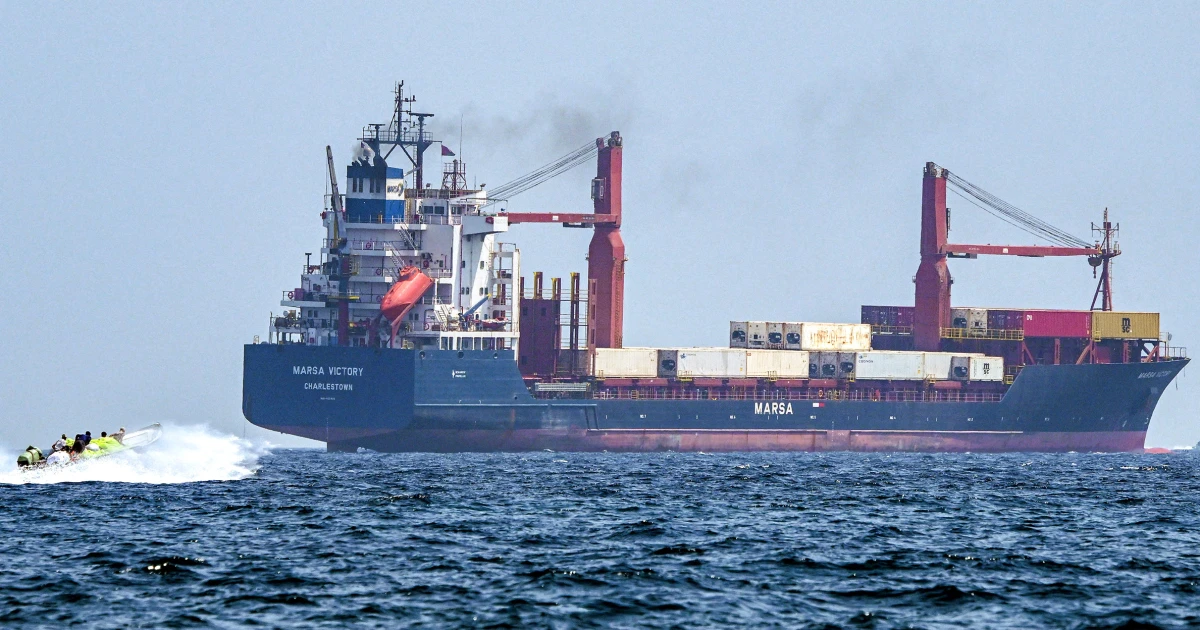
Recent developments in the Iran war involving Israel and U.S. military actions have heightened concerns about stability in the Persian Gulf. One critical area of focus is the Strait of Hormuz, a narrow waterway that handles roughly 20% of the world’s oil shipments and a large portion of global industrial materials trade.
When tensions escalate in this region, shipping traffic can slow or halt entirely, which can delay shipments of energy resources and manufacturing materials used around the world.
That’s why industries ranging from automotive manufacturing to technology and construction are paying close attention to how the conflict develops.
Aluminum Supply Under Pressure
One of the most immediate concerns is the potential impact on global aluminum supply.
Several aluminum producers in the Middle East have already halted or reduced production due to the conflict, tightening the supply of a metal that is critical for industries including automotive manufacturing, construction, and consumer goods.
Because aluminum is widely used in:
-
Vehicle body panels
-
Engine components
-
Lightweight structural materials
-
Consumer products and packaging
any disruption to supply could raise manufacturing costs across multiple sectors.
U.S. buyers have already started paying higher premiums for imported aluminum as supply tightens and shipments from the region slow.
Semiconductor Supply Chains Could Also Be Affected
Another major concern involves global semiconductor supply chains.
The semiconductor industry depends on several specialized materials that come from the Middle East, including helium and industrial gases used in chip manufacturing.
For example, Qatar produces a large share of the world’s helium, which is essential for cooling equipment used in semiconductor fabrication plants.
If the conflict interrupts production or transportation of these materials, it could create delays in chip manufacturing used in electronics, vehicles, and artificial intelligence infrastructure.
These concerns come just a few years after the global semiconductor shortage that affected the auto industry and consumer electronics during the early 2020s.
Energy Prices and Manufacturing Costs
The Iran–Israel war and U.S. involvement in the region have also pushed oil prices higher, which could affect manufacturing costs worldwide.
Energy plays a major role in producing materials like aluminum and steel, as well as in running factories and transporting goods around the world.
If the conflict continues or escalates further, analysts say the potential impacts could include:
-
Higher fuel and transportation costs
-
Increased raw material prices
-
Delays in global supply chains
-
Rising costs for manufacturers and consumers
How U.S. Leadership and Global Politics Factor In
The conflict has drawn global attention as President Donald Trump and U.S. military leadership coordinate policy responses alongside Israel amid escalating tensions with Iran.
Geopolitical decisions from Washington, Jerusalem, and other global capitals could influence how the situation evolves, including possible sanctions, military actions, or diplomatic negotiations.
Because the global economy is deeply interconnected, political developments in the Middle East often ripple through industries worldwide.
What This Means for Consumers
While the situation continues to unfold, experts say the immediate effects for consumers may be limited.
Manufacturers typically maintain inventories and multiple suppliers to handle short-term disruptions. However, if instability in the region persists, global industries — including automotive and technology — could eventually feel the effects through higher material costs or slower production timelines.
For now, companies across many sectors are closely monitoring the Iran war, U.S. involvement, and Israel conflict developments as they evaluate potential impacts on global supply chains.