
Pros of Auto Stop Button Removal in New Vehicles: Comfort, Control, and Reliability
Posted at Thu, Feb 12, 2026 9:00 PM
For years, drivers across the country have voiced strong opinions about one modern vehicle feature more than almost any other: the auto stop/start system. Designed to reduce fuel consumption by shutting off the engine at stoplights, this technology became increasingly common as automakers worked to meet emissions and fuel economy standards.
Now, with recent changes in federal incentives, the auto stop feature is no longer being treated as a required industry standard, giving manufacturers and consumers more flexibility moving forward.
So what does this mean for everyday drivers? Let’s explore the biggest benefits of the auto stop button no longer being a default feature in the automotive world.
More Driver Control and Personal Preference
One of the biggest frustrations with automatic engine stop/start systems is that many drivers feel they have little control over when the feature activates. And let's be honest, there aren't many of us out there that are comfortable with handing over control.
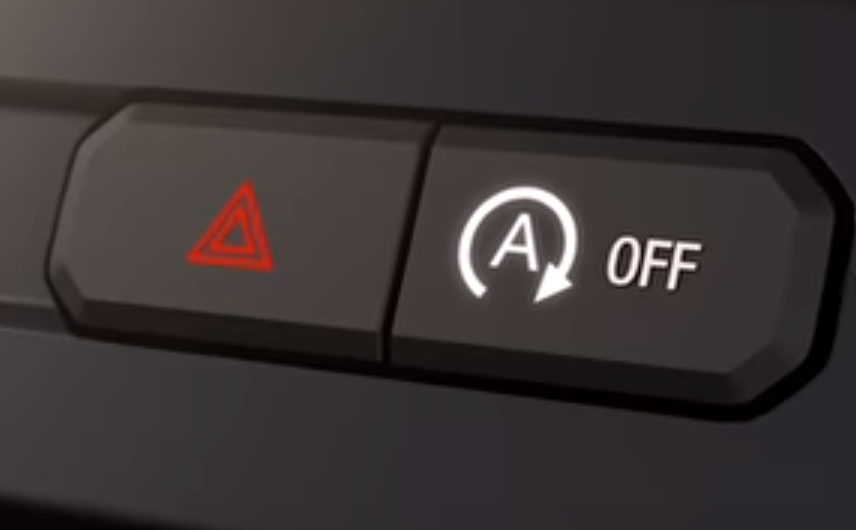
Even though most vehicles include an “auto stop off” button, the system often resets every time the car is restarted.
With auto stop technology no longer being pushed as a required feature, drivers may soon enjoy a driving experience based on comfort, not compliance.
A Smoother, More Comfortable Driving Experience
Many drivers describe the auto stop/start feature as disruptive, especially in heavy traffic or during frequent stops.
Common complaints include:
-
Rough engine restarts
-
Lag when accelerating from a stop
-
Reduced cabin comfort when the engine shuts off
Without this feature being standard, future vehicles may deliver a smoother ride, especially for commuters who drive in stop-and-go conditions daily.
Reduced Wear on Starters and Engine Components
Although manufacturers design auto stop systems to handle frequent restarts, the reality is simple: more starts equal more strain.
By reducing reliance on constant engine cycling, drivers could see long-term benefits such as:
-
Less wear on starter motors
-
Reduced battery load
-
Fewer concerns about premature component replacement
This shift could improve long-term reliability for many vehicle owners.
Better Performance in Extreme Weather
Auto stop/start systems can be especially unpopular in very hot or very cold climates.
When the engine shuts off, it only makes sense that it would affect things like air conditioning performance in the summer, heater consistency in the winter and defrosting speed, especially in icy conditions.
With the feature becoming optional rather than expected, automakers may prioritize climate comfort and consistent performance for drivers in all regions.
Lower Repair Costs and Simplified Maintenance
As vehicles become more complex, maintenance costs often rise. Auto stop/start systems add additional parts and technology, including enhanced starters, special batteries, and additional sensors and modules. If automakers begin phasing out this system as a default, it could lead to simpler vehicle designs, lower long-term ownership costs and fewer expensive electrical repairs.
Consumer Demand is Driving Industry Change
One of the most positive outcomes of this shift is what it represents: the auto industry responding to customer feedback.
Drivers have been vocal about wanting a vehicle with more practical features and less forced automation. Comfort is nice but reliability is much more valuable.
The removal of auto stop as a “required” standard shows that consumer preferences still matter.
What Happens Next?
It’s important to note that auto stop/start technology isn’t banned. Automakers may still offer it as an option, especially in hybrid or fuel-efficiency focused models.
But moving forward, drivers may have more choices than ever when shopping for a new car, including vehicles designed without auto stop as a default.
That means more freedom, more control, and a driving experience that feels natural again.
Final Thoughts: A Win for Driver Choice
The auto stop/start feature was introduced with good intentions, but for many drivers, it became more of an annoyance than a benefit.
Now that it’s no longer being treated as a required industry feature, the future of driving is looking brighter!
For shoppers looking for a smoother, more traditional driving experience, this shift could be great news.
Ready to find a vehicle that offers the comfort, control, and features you truly want? Visit us in store today or browse our inventory online to get started.